Balancing Seasonal Demands Across Equestrian and Team Sports Calendars
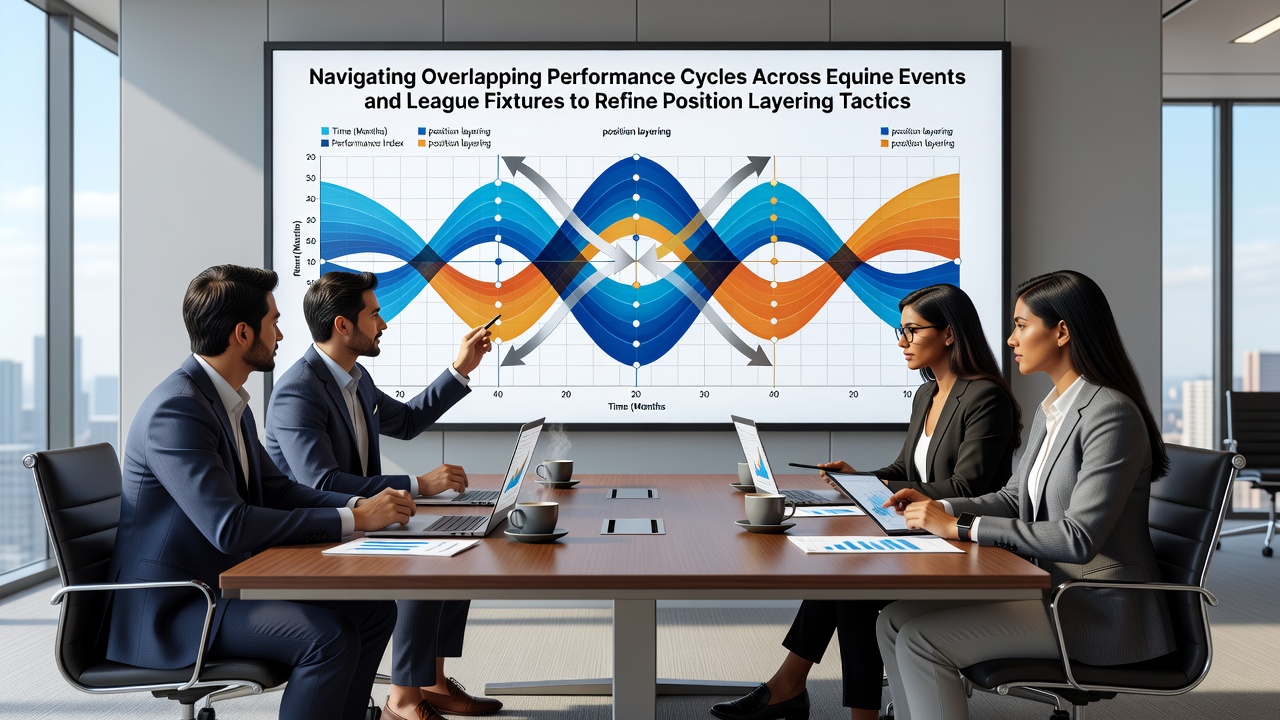
Equine events and league fixtures often run on parallel timelines that create complex scheduling pressures for participants who move between both domains. Data from international sports calendars shows that August 2026 features multiple overlapping windows, including major equestrian championships in Europe and peak football league rounds across several continents. Observers note these intersections force teams and individuals to adjust preparation routines, recovery protocols, and tactical positioning approaches.
Understanding Performance Cycle Patterns
Performance cycles in equine disciplines typically follow structured phases tied to breeding seasons, track conditions, and international federation calendars, while league fixtures in team sports follow fixed weekly or bi-weekly structures set by governing bodies. Researchers at the University of Sydney's sports science department have documented how horses in eventing and dressage programs experience peak conditioning periods that sometimes coincide with high-intensity league match blocks for multi-sport athletes who ride and compete in field sports. Studies indicate that these alignments require precise monitoring of workload metrics such as heart rate variability and muscle recovery times to avoid overtraining.
Coaches and support staff track these cycles using integrated software platforms that combine veterinary data with player fitness logs. Evidence from European federation reports reveals that athletes who maintain separate but coordinated periodization plans for equine and team commitments achieve more consistent positioning outcomes across both arenas. What's interesting is how digital tools now allow real-time adjustments when fixture changes occur due to weather or venue conflicts.
August 2026 Scheduling Realities
August 2026 brings particular density to the calendar, with equestrian events in Germany and the Netherlands running alongside early-season league fixtures in several football competitions. Figures from the Fédération Equestre Internationale highlight over 120 registered equine competitions that month, many of which draw riders who also participate in summer league programs. Teams that manage these overlaps report using staggered travel and training blocks to maintain competitive positioning in both sets of events.
Refining Position Layering Approaches
Position layering tactics involve sequencing competitive appearances so that strengths developed in one domain support performance in the other. For example, endurance work from equine events can enhance stamina for league players who also ride, while tactical decision-making from team sports transfers to course navigation in equestrian disciplines. Analysts from the Australian Institute of Sport have observed that athletes who layer these experiences deliberately show improved reaction times and spatial awareness during high-pressure moments.
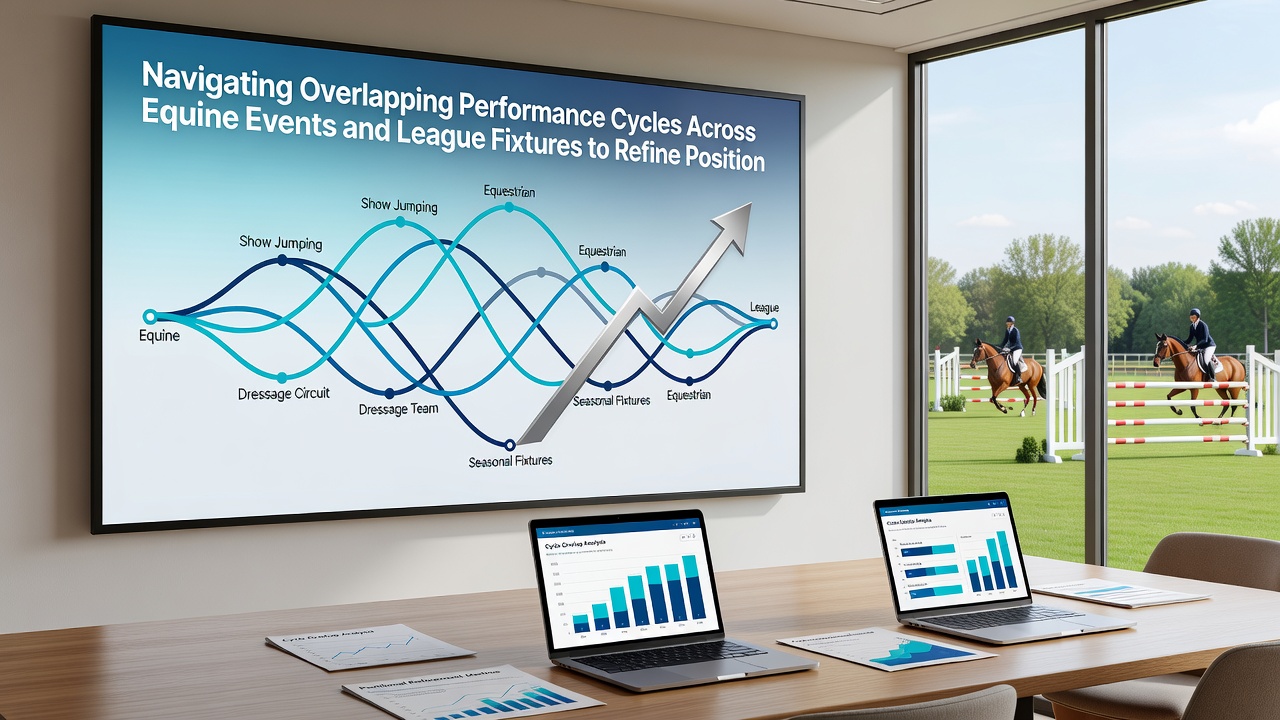
Implementation often starts with detailed mapping of fixture dates against equine event entries, followed by allocation of recovery days and cross-training sessions. Data indicates that organizations using shared medical and conditioning staff across both sports reduce injury rates during transition periods. One case documented by researchers involved a rider-athlete who aligned pre-season football conditioning with dressage preparation, resulting in measurable gains in both speed and precision metrics.
Practical Integration Methods
Successful navigation relies on clear communication between equine specialists and team sport coaches, along with standardized data-sharing agreements. Reports from the International Olympic Committee working groups emphasize the value of unified athlete monitoring systems that capture metrics from both equine and human athletes. These systems help identify when rest priorities must shift between the two activity types.
Training facilities increasingly incorporate mixed environments where riders can simulate league scenarios alongside equine conditioning drills. Evidence suggests such integrated sessions improve overall tactical flexibility without extending total training hours. Those managing multiple commitments often rely on periodized nutrition plans and sleep tracking to sustain performance across the overlapping windows.
Conclusion
Overlapping performance cycles between equine events and league fixtures present measurable scheduling challenges that organizations address through coordinated planning and data-driven adjustments. August 2026 provides a clear illustration of these intersections, with federations and research institutions supplying the frameworks needed for effective position layering. Continued refinement of these methods supports sustained competitive output across both domains.