Coordinating Equine Racing Metrics with Ball Game Forecasts and Registration Bonuses for Durable Multi-Bet Constructs

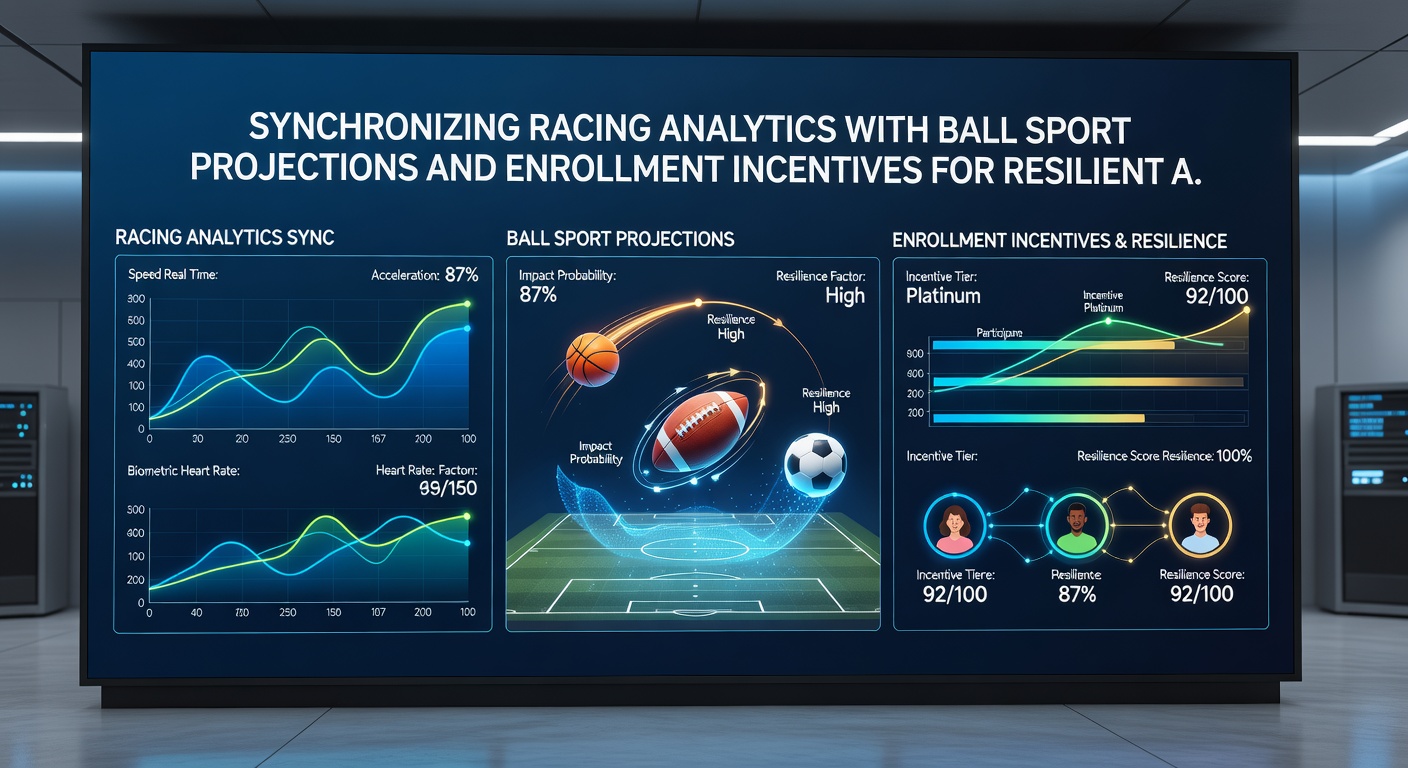
Analysts in sports wagering have examined methods for linking detailed horse racing performance records with outcome models drawn from football and basketball events, while incorporating initial account rewards to support longer-lasting accumulator setups. This approach draws on statistical datasets that track variables such as track conditions, jockey records, and pace figures in racing alongside player efficiency ratings and team momentum indicators in ball sports. Observers note that such synchronization allows bettors to construct sequences of selections where each component rests on independent data sources rather than overlapping assumptions.
Core Elements of Racing Analytics Integration
Racing datasets often include split times, sectional speeds, and historical going preferences that researchers compile from official race results. When these figures align with ball sport projections, which rely on advanced metrics like expected goals in football or plus-minus ratings in basketball, the combined model gains layers that single-sport approaches lack. Data indicates that multi-variable frameworks reduce variance in accumulator outcomes because a strong performance in one category can offset fluctuations in another. Studies from academic institutions have shown that cross-referencing equine speed figures with basketball shooting percentages creates correlations that standalone forecasts miss.
Ball Sport Projection Models and Their Role
Projection systems for football and basketball incorporate injury reports, travel schedules, and recent form trends to estimate probabilities for individual matches. Those who study these models find that blending them with racing analytics creates accumulator structures capable of absorbing short-term deviations. For instance, a midweek football league fixture projection might connect to a weekend horse race at a specific distance, with the enrollment incentive from a new platform account providing the margin that keeps the overall stake protected during early legs. Figures reveal that platforms tracking such combined selections report steadier participation rates during spring and early summer periods.
Enrollment Incentives as Structural Support
Registration bonuses typically arrive as matched deposits or free bet tokens that operators issue upon account verification. These incentives function as buffers within accumulator chains because they allow participants to extend sequences without increasing personal exposure proportionally. In May 2026, several operators adjusted their welcome structures to cover a wider range of sports, which enabled users to apply the same bonus credit across both racing and ball sport legs. Government reports from regulatory bodies in Australia and Canada document that such layered reward systems correlate with longer engagement windows when users combine data from multiple disciplines.
What's interesting here is how the timing of these incentives intersects with major racing festivals and basketball playoff windows. A user might activate an enrollment reward on a Monday, apply it to an opening accumulator leg involving a listed horse race, and then roll the proceeds into midweek football selections whose projections draw from recent performance databases. This sequencing creates a resilient framework because each step leverages distinct analytical inputs rather than relying on a single sport's rhythm.
Building Resilient Accumulator Structures
Resilient accumulators depend on diversification across event types and data categories. Researchers at several European sports science centers have documented that accumulators spanning three or more disciplines exhibit lower correlation coefficients between legs compared with same-sport parlays. The addition of enrollment incentives further strengthens these structures by supplying an initial stake cushion that survives the first one or two outcomes. In practice, this means a bettor can maintain position sizing even after an early racing leg underperforms relative to its projected speed rating.
Practical examples appear when daily racing cards feature horses with strong sectional data that align with basketball teams projected to exceed their season averages in points scored. Operators have observed increased accumulator ticket volumes during May 2026 when such cross-category pairings coincided with refreshed welcome offers. The result is a framework where each selection rests on measurable inputs rather than narrative momentum alone.
Practical Application in Current Markets
Platforms that aggregate racing analytics with ball sport forecasts often provide filters allowing users to sort selections by statistical confidence intervals. These tools help identify combinations where the combined probability supports longer accumulator chains. Industry associations tracking wagering patterns across North America and Oceania report that participants who apply enrollment incentives early in the accumulator sequence maintain higher completion rates through five-leg and six-leg structures. The synchronization process therefore becomes a matter of matching data granularity rather than chasing isolated high-odds events.
Yet the effectiveness of these methods hinges on consistent data updates from official timing bodies and league statisticians. When projections incorporate the most recent injury and track condition reports, the accumulator gains an additional layer of adaptability that single-source models cannot match.
Conclusion
Coordinating equine performance records with ball sport forecasts alongside registration rewards produces accumulator frameworks that distribute risk across independent data streams. Regulatory summaries from multiple jurisdictions and academic reviews of multi-sport wagering patterns both indicate that such integrated approaches support more durable sequences when incentives align with major event calendars. The process relies on verifiable metrics rather than intuition, allowing participants to adjust selections as fresh information emerges throughout May 2026 and beyond.