Data Integration Strategies for Uncovering Shared Incentives in Football, Tennis, and Horse Racing Programs
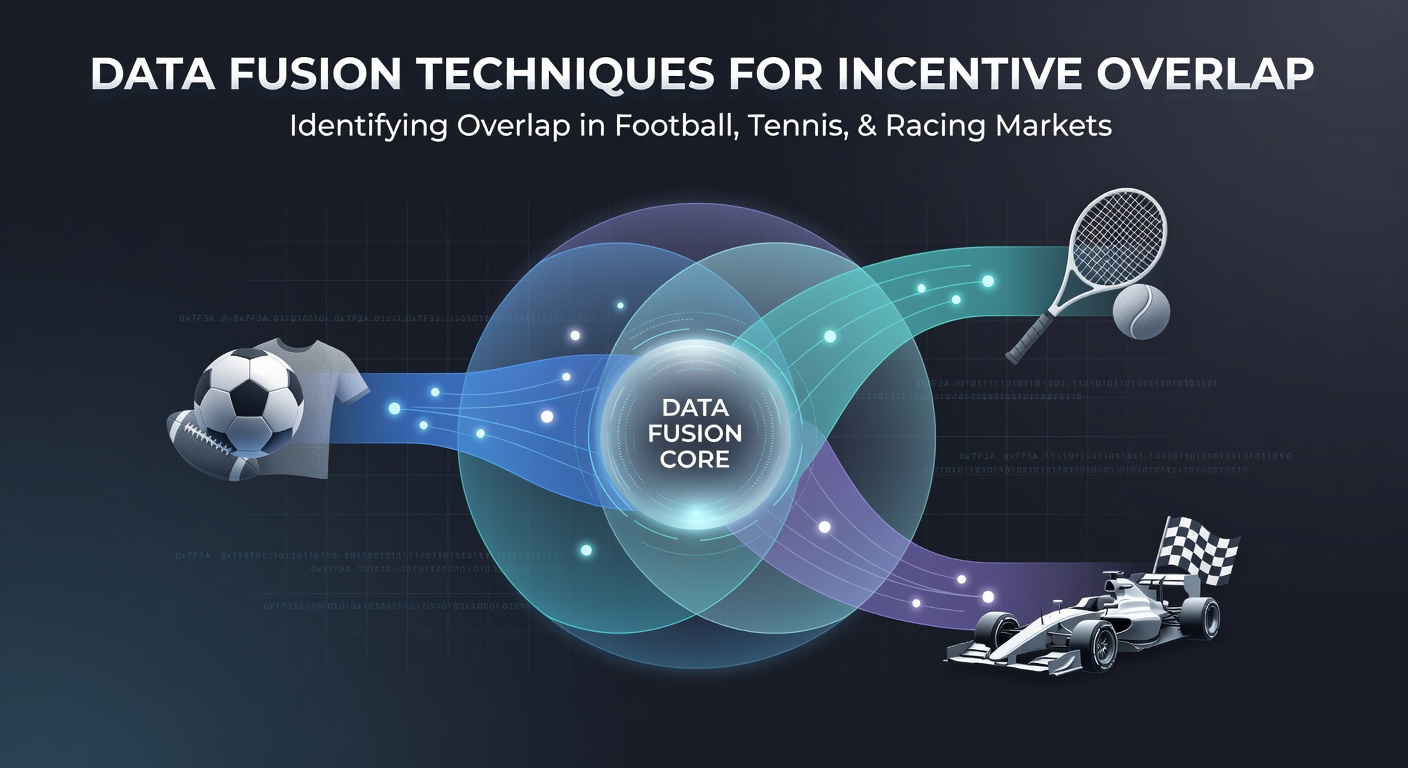
Analysts apply data fusion techniques to combine information from multiple sources and detect overlaps in incentive programs across football, tennis, and racing markets, where operators issue bonuses, free bets, and loyalty rewards that sometimes align in ways that create repeated value for participants. These methods pull together structured records from betting platforms, transaction logs, and market reports before applying algorithms that identify common patterns in eligibility rules and payout structures.
Core Fusion Techniques in Use
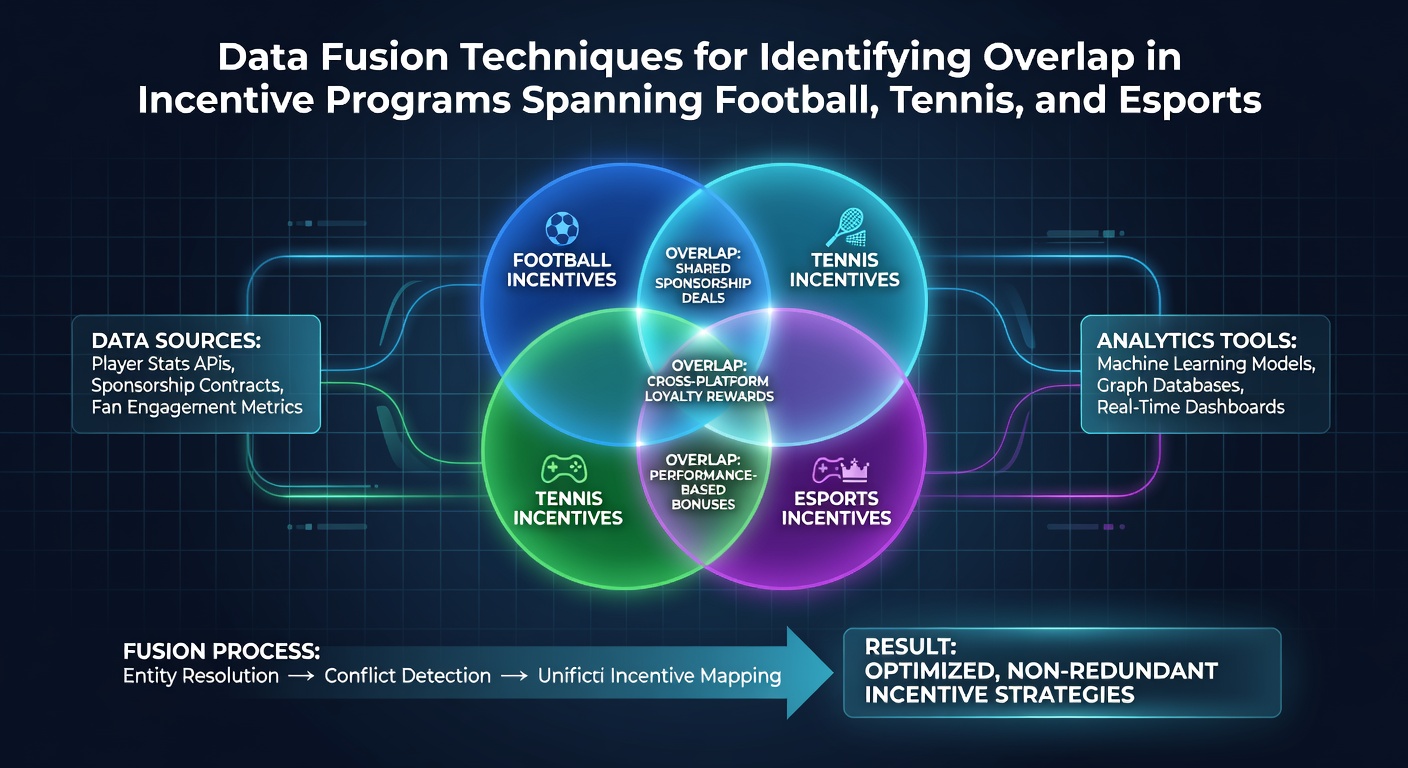
Entity resolution forms a starting point because it matches similar records across datasets even when identifiers differ slightly, while probabilistic matching assigns scores to potential overlaps based on shared attributes such as time windows, sport categories, and minimum stake requirements. Bayesian networks then update those scores as new data arrives, allowing systems to refine estimates of how often the same incentive appears in football accumulators and tennis outright markets at the same time.
Feature-level fusion adds another layer by merging numerical indicators like bonus percentages and expiration dates into single vectors that clustering algorithms can process, which helps surface groups of incentives that share timing or geographic restrictions across racing and team sports. Researchers at the University of Nevada, Las Vegas Center for Gaming Research have documented how these combined approaches reduce false positives compared with single-source analysis.
Application Across Football Markets
Football incentive programs often feature weekly reload bonuses tied to specific leagues and accumulators that require three or more selections. Fusion systems ingest odds feeds alongside transaction histories to flag when the same reload offer appears under different brand names or when a cashback threshold in one market matches a stake multiplier in another. Observers note that leagues with overlapping international calendars generate higher match rates because participants can apply identical stake patterns to both domestic and European fixtures.
Patterns Emerging in Tennis and Racing
Tennis outright markets issue performance bonuses linked to grand slam results, and racing programs frequently provide loyalty points that convert into free bets on feature races. When fusion tools align these records with football data, analysts identify periods where a single deposit triggers rewards in all three verticals because operators run synchronized promotional calendars. Figures from the Australian Gambling Research Centre show that such synchronized periods occur most often during major tournament clusters in June, including the transition from European football seasons into summer racing festivals and tennis events on grass courts.
June 2026 Overlap Detection Trends
During June 2026, data streams captured simultaneous incentive launches tied to the conclusion of several European football campaigns, the start of major racing carnivals, and the lead-up to tennis grass-court events. Fusion pipelines flagged repeated use of minimum-odds thresholds and rollover conditions that appeared in multiple sports under slightly varied wording. Integration of time-stamped transaction data revealed clusters where participants moved funds between accounts to satisfy conditions in more than one vertical within the same seven-day window.
Handling Data Quality and Regulatory Context
Noise in raw feeds remains a persistent issue because operators update terms frequently, so fusion pipelines incorporate validation steps that cross-check against public regulatory filings. In Canada, reports from the Canadian Centre on Substance Use and Addiction provide baseline statistics on incentive structures that help calibrate models for North American operators entering multi-sport markets. European sources such as the European Gaming and Betting Association supply additional reference data on cross-border promotional standards that improve alignment accuracy when datasets span jurisdictions.
Implementation Considerations
Scalable architectures rely on distributed processing frameworks that handle high-volume streams from multiple operators without introducing latency that could miss short-lived overlaps. Privacy-preserving techniques such as federated learning allow parties to contribute model updates rather than raw records, which maintains compliance while still surfacing aggregate overlap statistics. Those who maintain these systems report that combining entity resolution with temporal alignment yields the most reliable detection of recurring incentive structures across the three markets.
Conclusion
Data fusion techniques continue to evolve as operators expand multi-sport incentive offerings, and integration of records from football, tennis, and racing sources provides clearer visibility into shared program elements. Continued refinement of matching algorithms and incorporation of regulatory reference data supports more precise identification of overlaps that span these distinct yet interconnected markets.