Layered Position Construction Through Perk Integration and Specialized Sports Forecasting Frameworks
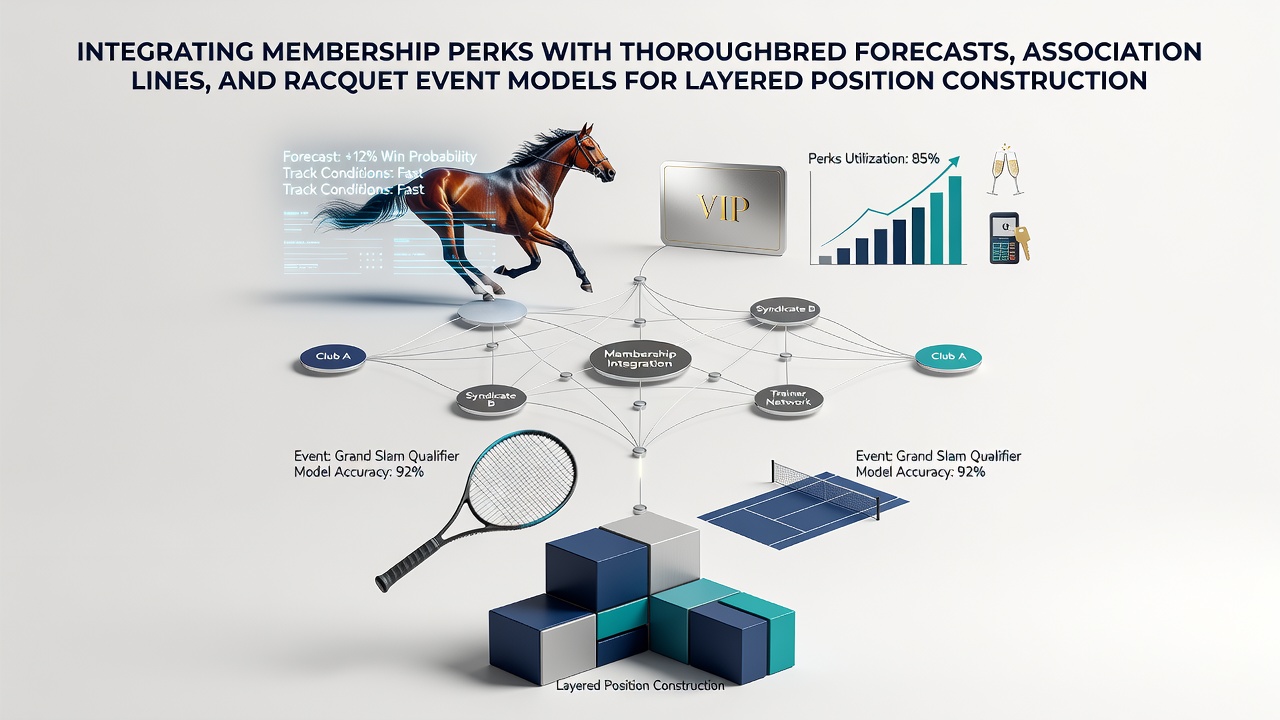
Operators in the betting sector have expanded membership structures that deliver recurring perks such as enhanced odds boosts and cashback mechanisms, while data providers refine thoroughbred forecasts based on track conditions and pedigree analysis. Association lines from football markets supply volume-driven pricing, and racquet event models incorporate serve percentages along with surface-specific adjustments. Observers note that combining these elements creates opportunities for constructing positions across multiple layers rather than isolated single bets.
Components of the Integration Process
Thoroughbred forecasts draw from historical speed figures and trainer patterns that data aggregators update daily, whereas association lines reflect real-time shifts in team news and weather variables. Racquet event models factor in head-to-head records and fatigue indicators derived from recent tournament schedules. Membership perks attach directly to these inputs when users activate layered sequences, allowing a portion of stakes to receive incremental returns through loyalty tiers. Research from the University of Nevada, Las Vegas Center for Gaming Research indicates that operators track such combinations through internal analytics platforms that flag correlated outcomes across horse racing, football, and tennis.
Methods for Constructing Layered Positions
Position construction begins with selecting a base layer from thoroughbred selections that carry higher variance due to variable track biases, then overlays association lines that provide steadier volume. A third layer incorporates racquet event models when surface conditions align with forecast outputs. Perks activate sequentially, so an initial cashback credit from membership status offsets exposure on the first layer while boosted odds apply to subsequent accumulations. Data shows that synchronization occurs when users align start times across events, reducing timing mismatches that otherwise fragment returns. In June 2026 several platforms introduced automated tools that map these layers automatically once users input their membership identifiers.
Practical Alignment Examples
One documented sequence pairs a morning thoroughbred race at a major UK venue with an afternoon football fixture whose line movement correlates to similar weather variables, followed by an evening tennis match where court speed mirrors prior surface data. Membership credits apply at each transition point, converting portions of potential losses into reloadable balances. Figures from the Nevada Gaming Control Board reveal increased transaction volumes in multi-sport sequences during periods when such alignments cluster within single calendar days. Operators report that these patterns emerge most clearly when forecasts update within two-hour windows before event starts.
Regulatory and Data Oversight Considerations
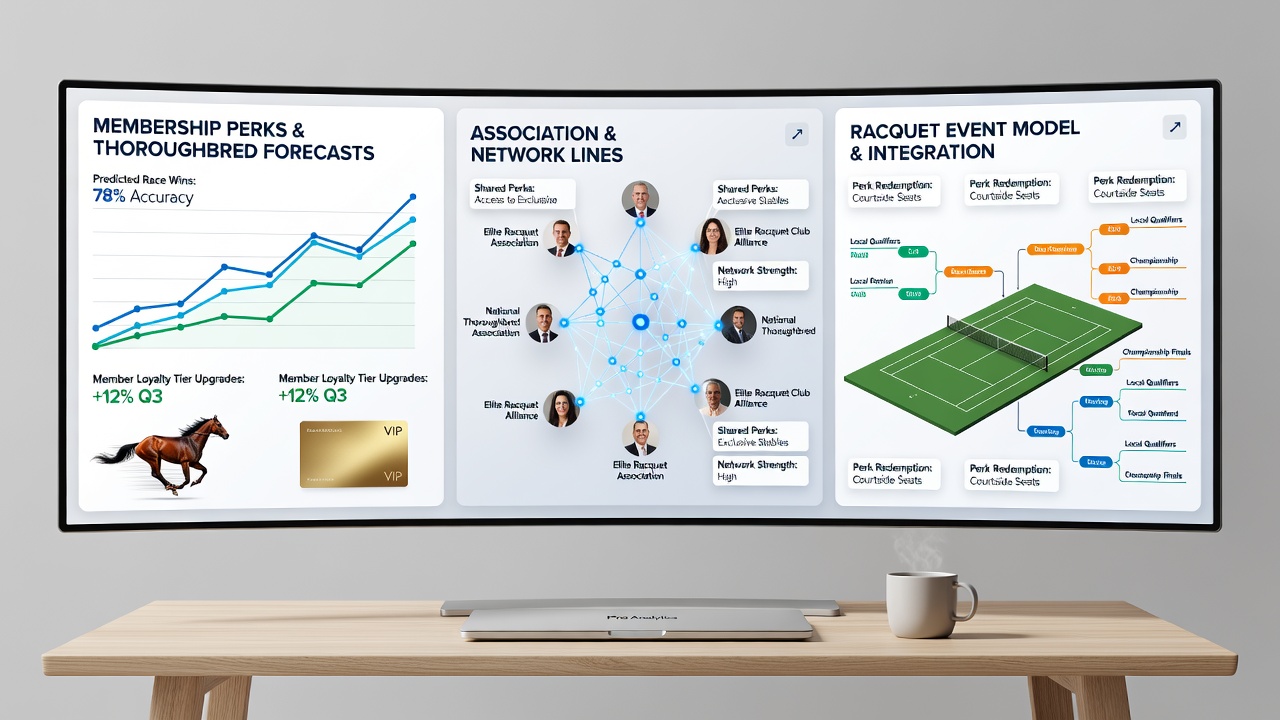
Regulatory bodies monitor these integrations to ensure transparency in how perks attach to predictive models. The Canadian Gaming Association publishes guidelines that require clear disclosure of correlation risks when multiple sports feed into single position structures. Academic analyses from the International Gaming Institute at the University of Macau highlight that layered constructions increase data processing loads, prompting platforms to maintain separate audit trails for each component. Observers note that compliance reporting in several jurisdictions now includes metrics on how membership benefits interact with forecast accuracy rates across thoroughbred, association, and racquet categories.
Conclusion
Integration of membership perks with thoroughbred forecasts, association lines, and racquet event models supports systematic construction of layered positions by sequencing data inputs and credit applications across distinct sports. Continued refinement of these frameworks depends on alignment between operator systems and external regulatory standards that track multi-sport activity volumes.