Membership Benefits Shape Diversified Approaches Across Athletic Events
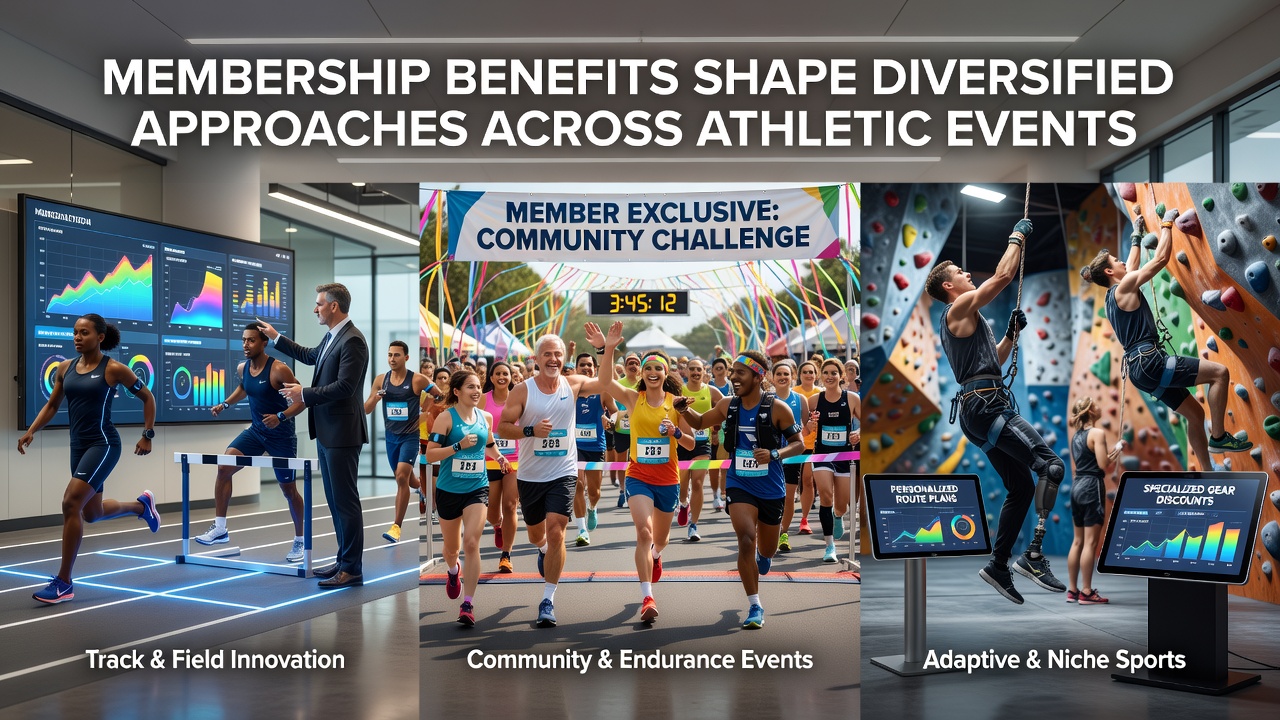
Organizations that run athletic events rely on membership structures to support participation across multiple disciplines, and these frameworks produce noticeably different operational methods depending on the sport and region. Data from international federations show that tailored benefit packages influence how clubs recruit members, schedule competitions, and allocate resources for training facilities. Researchers at several universities have tracked these patterns over multiple seasons, revealing consistent variations in approach between individual and team-based events.
Core Components of Athletic Membership Programs
Membership programs typically bundle access to venues, coaching resources, and event entry discounts, yet the exact mix changes when organizers focus on endurance sports versus power events. According to reports compiled by the International Olympic Committee, programs supporting distance running often emphasize long-term training calendars and recovery services, while those tied to sprint or field disciplines prioritize equipment grants and short-cycle competition entries. Observers note that these distinctions emerge because event calendars themselves follow separate rhythms throughout the year.
Figures released by national governing bodies indicate that membership retention rates climb when benefits align directly with the demands of specific athletic calendars. In July 2026, several regional federations plan expanded summer series that incorporate both junior and masters categories, allowing clubs to layer additional perks such as travel subsidies onto existing packages. This layering creates parallel pathways where one group of members might receive coaching stipends while another accesses performance analytics platforms.
Regional Differences in Benefit Delivery
European athletic associations tend to integrate public health incentives into membership tiers, linking reduced insurance premiums to verified training logs, whereas North American counterparts frequently partner with corporate sponsors to offer equipment upgrades at graduated membership levels. A study conducted by researchers at the University of Queensland documented how Australian clubs blend both models, offering hybrid packages that combine government-supported facility access with private-sector performance bonuses. Those patterns demonstrate how local regulatory environments steer the design of benefit structures.
What's interesting is how these regional choices affect cross-sport participation. Members enrolled in multi-discipline clubs report higher rates of event switching when benefits include transferable credits that apply across track, field, and road events. Data collected by the Pan American Athletics Confederation shows that such credit systems increased multi-event entries by measurable margins during the 2025 season and are expected to expand further by mid-2026.
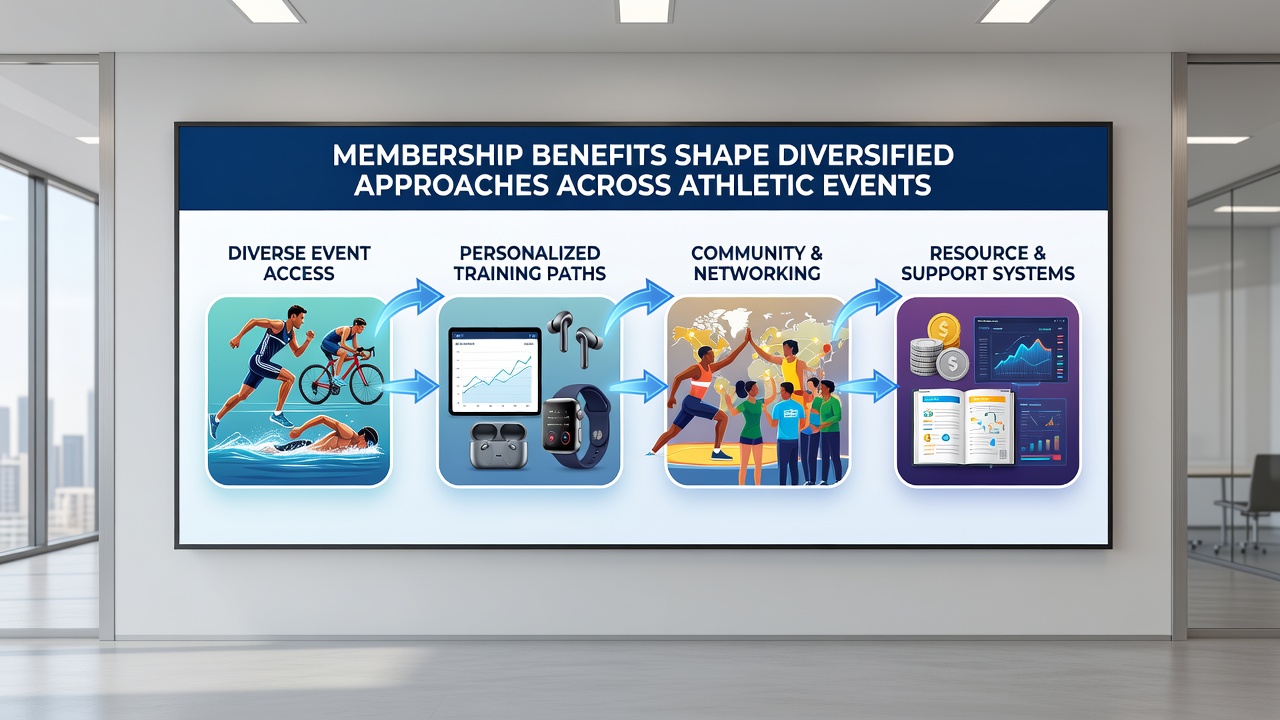
Impact on Event Scheduling and Resource Allocation
Event organizers adjust competition calendars in response to membership benefit uptake, and this adjustment produces distinct scheduling clusters. Clubs that emphasize youth development packages often concentrate junior meets during school holiday periods, while programs aimed at adult recreational athletes spread events across weekend blocks to accommodate work schedules. The NCAA has published participation reports that illustrate these timing differences across collegiate conferences, where benefit structures tied to academic calendars shape when conference championships occur.
Resource allocation follows similar lines. Venues with large memberships in throwing events allocate more funding toward specialized cages and measurement technology, whereas those with dominant distance-running cohorts invest in course certification and timing systems. Analysts at the European Athletics Association have mapped these spending patterns and found clear correlations between benefit emphasis and infrastructure priorities across member federations.
Future Trends Emerging in 2026
Preparations for the 2026 season highlight continued diversification as federations experiment with digital membership add-ons. These include virtual coaching modules and performance tracking apps that integrate with existing physical benefits. Several federations have announced pilot programs that will run through July 2026, testing whether members who adopt the digital layers show different event selection patterns compared with those using traditional benefits alone.
Industry groups such as the Association of Summer Olympic International Federations continue to monitor these experiments, collecting data that will inform how future membership frameworks evolve across continents. The resulting reports are expected to guide how clubs balance in-person and remote offerings while maintaining compliance with each nation's sporting regulations.
Conclusion
Membership benefit designs continue to steer how athletic organizations structure events, allocate resources, and support participant pathways. Evidence from multiple governing bodies and academic studies confirms that these designs produce measurable differences across disciplines and regions. As preparations advance toward July 2026, the ongoing refinement of these frameworks will shape participation patterns for years ahead, with data collection efforts providing clearer pictures of which combinations deliver sustained engagement across the spectrum of athletic events.