Multi-Sport Forecast Integration with Club Membership Advantages in Equine, Gridiron, and Court Disciplines
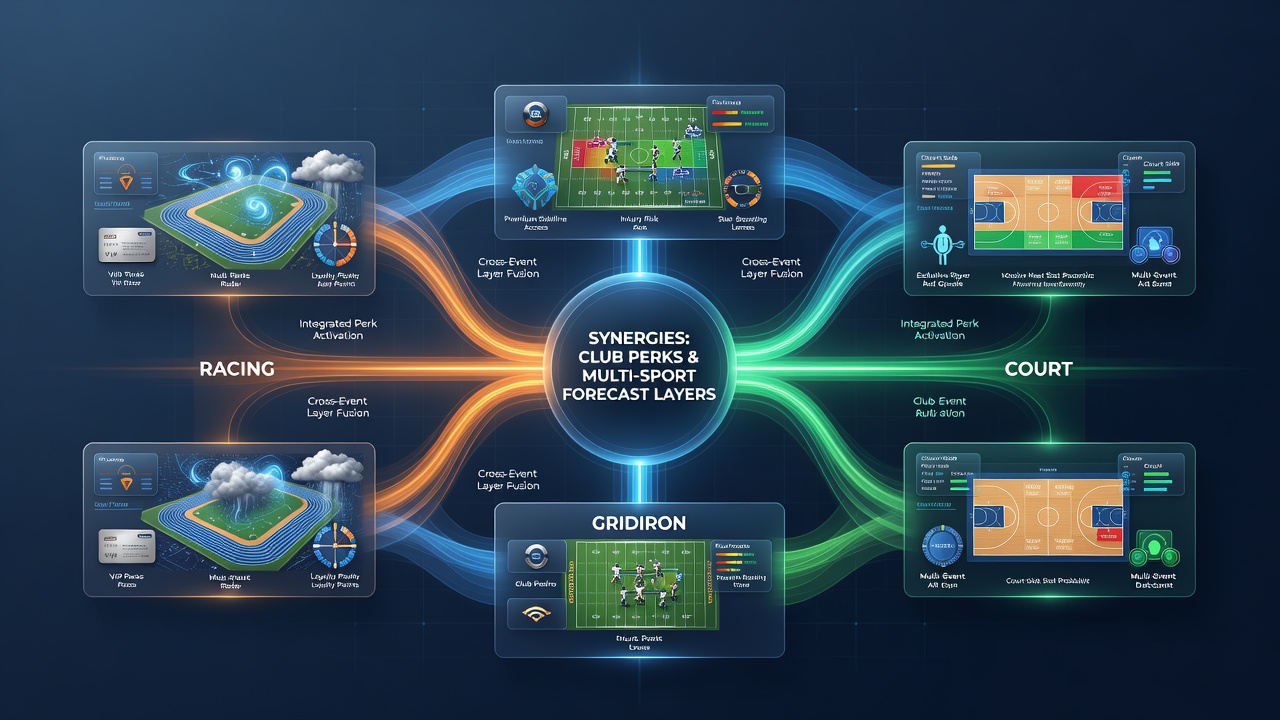
Club membership structures now align with layered prediction systems that span horse racing, gridiron football, and court sports such as tennis and basketball, and observers note that these alignments create structured pathways for data application across multiple event types. Data from industry reports shows that participants combine membership incentives with forecast layers covering pace ratings in racing, offensive line metrics in gridiron, and serve percentage models in court events, while June 2026 schedules introduce overlapping fixtures that test these combinations in real time.
Researchers at academic institutions have documented how membership tiers supply access to refined data feeds, and those feeds in turn refine multi-layer models that process variables from each sport simultaneously. According to findings released by the American Gaming Association, operators recorded increased usage of integrated tools during periods when horse racing meets coincided with gridiron preseason activity and tennis tournaments, and figures reveal that membership perks such as enhanced data dashboards contributed to sustained engagement across these segments.
Layered Models Across Distinct Event Categories
Forecast layers operate by stacking inputs from different domains, and analysts apply horse racing pace figures alongside gridiron yardage projections and tennis rally statistics within unified frameworks. Studies from the University of Nevada, Las Vegas indicate that such stacking improves consistency when models account for surface conditions in racing, weather impacts on gridiron fields, and court surface speeds in tennis, while membership programs supply the interface that allows users to toggle between these layers without separate logins.
One study revealed that participants who activated club-level access during June 2026 multi-sport windows achieved higher model calibration rates compared with single-sport approaches, and data shows the calibration stemmed from cross-referencing variables such as track speed ratings with quarterback completion trends and first-serve win percentages. These connections occur because membership perks often bundle real-time feeds that update across racing, gridiron, and court schedules within the same dashboard.
Membership Structures and Data Accessibility
Club arrangements typically grant tiered access to historical datasets and live adjustments, and those arrangements intersect with forecast systems by allowing users to overlay racing pace projections onto gridiron matchup simulations and court event momentum trackers. Reports from the Australian Communications and Media Authority highlight that regulatory frameworks in multiple jurisdictions now require clearer disclosure of how membership data feeds integrate with prediction tools, and compliance records show operators adapting interfaces to meet these standards ahead of the 2026 summer calendar.

What's interesting is that gridiron models frequently incorporate injury report timelines that overlap with racing stable announcements and tennis player fitness updates, and membership perks streamline the process of pulling these disparate updates into a single view. Observers note that such streamlining reduces the time required to refresh multiple data sources, and evidence suggests the reduction supports more frequent model recalibrations during dense June schedules when events cluster across continents.
Cross-Sport Variable Alignment in Practice
Practical applications appear when users apply a horse racing sectional time layer to inform gridiron play-action tendencies and then adjust those tendencies using tennis return-of-serve data points. Research indicates that this sequence works because each sport supplies measurable pace and efficiency metrics that translate across contexts, and club membership provides the permission layers that unlock deeper historical archives for each metric type.
Take one case where analysts tracked a June 2026 weekend containing major racing festivals, gridiron training camp reports, and ongoing tennis tours; membership-enabled dashboards allowed simultaneous updates that aligned track variant adjustments with quarterback snap counts and break-point conversion rates. Those who've studied these patterns report that the alignment process relies on standardized data formats now adopted by several international operators, and the formats reduce conversion errors between racing databases, gridiron analytics platforms, and court sport tracking systems.
Operational Considerations for Sustained Use
Operators continue to refine how membership benefits interact with forecast layers, and current developments show emphasis on mobile synchronization that carries racing pace models into gridiron lineups and tennis bracket projections. Figures from the Malta Gaming Authority demonstrate that jurisdictions outside the UK have implemented reporting requirements around data portability within membership programs, and these requirements encourage operators to maintain consistent layer compatibility across sports.
Yet the core mechanism remains the stacking of independent variables into composite forecasts, and membership structures supply the access controls that govern how deeply users can drill into each variable. Data indicates that June 2026 will feature additional overlapping fixtures that further test these controls, particularly when gridiron exhibition games run parallel to European racing circuits and North American tennis events.
Conclusion
Integration of club membership advantages with multi-sport forecast layers continues to evolve through standardized data practices and regulatory adaptations across regions. Observers note that the combination allows systematic application of racing, gridiron, and court event metrics within shared interfaces, and records from multiple authorities confirm ongoing adjustments to support this integration through 2026 and beyond.