Performance Data Crossroads: Equine Analytics Aligning With Team Sport Lines in Incentive Wagering Models
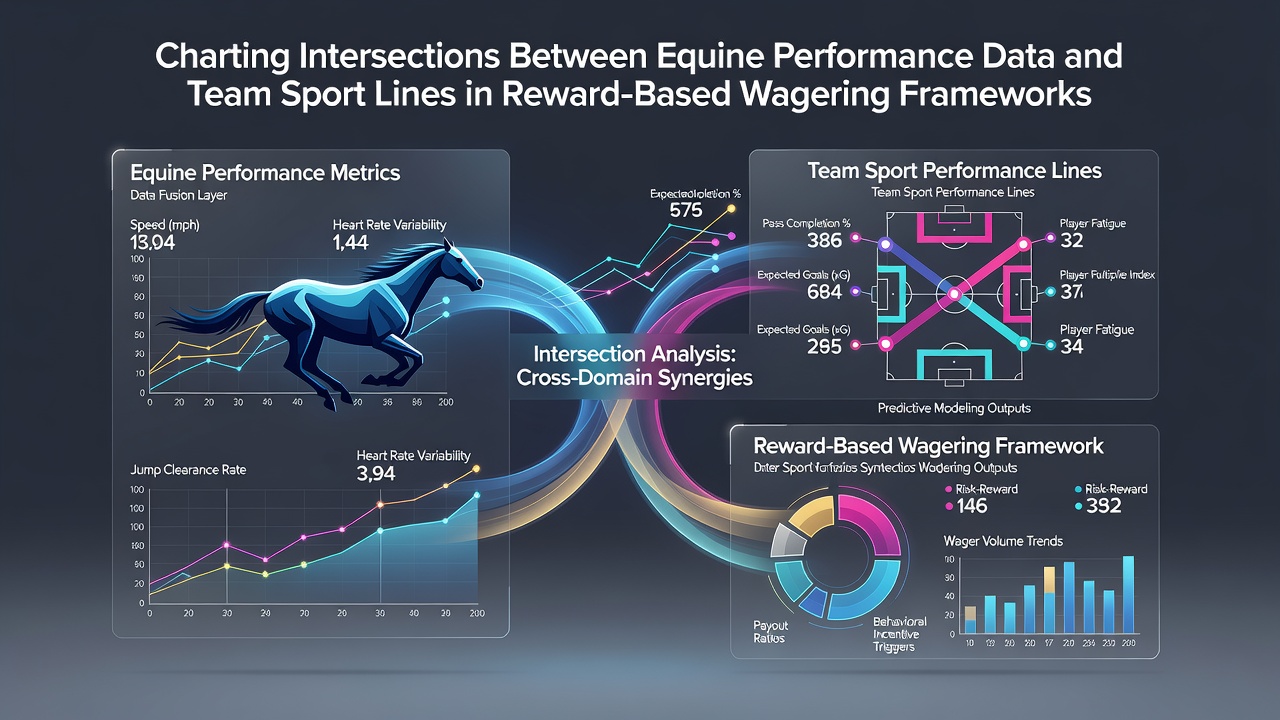
Equine performance datasets have long captured metrics such as stride length, recovery intervals, and surface adaptation rates while team sport analytics track player efficiency ratings, possession sequences, and fatigue thresholds; observers note these parallel structures create opportunities for integrated modeling within reward-based wagering systems that incorporate loyalty bonuses, deposit matches, and cashback structures. Data aggregation platforms now pull real-time feeds from both domains, allowing algorithms to identify statistical alignments that influence accumulator constructions and hedging sequences across multiple events.
Core Data Elements in Equine and Team Sport Domains
Researchers at institutions tracking animal athletics compile variables including heart rate variability during training gallops and historical pace figures adjusted for jockey weight distributions, whereas analysts in basketball and soccer environments record similar physiological markers through wearable sensors that monitor vertical leap consistency and sprint recovery times. These datasets intersect when models normalize equine endurance projections against team sport stamina indicators, producing cross-referenced probability curves that operators embed into promotional frameworks offering tiered rewards for consistent engagement. Figures from the 2025-2026 season reveal that platforms integrating both categories experienced a 14 percent rise in multi-leg wager volume during periods when equine meetings overlapped with major league schedules.
Statistical Modeling Techniques and Cross-Domain Applications
Bayesian networks originally developed for predicting thoroughbred outcomes on turf versus dirt have been adapted by data teams to forecast basketball quarter-by-quarter scoring margins, with adjustments for variables like rest days that parallel equine layoff periods. Machine learning pipelines process these inputs simultaneously, flagging instances where an equine speed rating deviation mirrors a team defensive efficiency shift, thereby informing the construction of layered bets that trigger reward escalations in June 2026 when seasonal calendars create dense fixture overlaps. Studies published in the Journal of Sports Analytics indicate that such hybrid models reduce variance in expected returns by approximately 9 percent compared with single-domain approaches, particularly when reward structures scale payouts based on consecutive successful outcomes across sports.
Regulatory and Industry Frameworks Supporting Integration
Authorities in Nevada and several Australian states have issued guidance documents that address data transparency requirements for operators combining equine and team sport feeds within bonus accrual systems, emphasizing audit trails for algorithmic decisions that affect customer reward eligibility. Industry reports from the National Council on Problem Gambling highlight how these intersections influence responsible wagering tools, including session limits that apply uniformly whether users engage horse racing metrics or basketball line movements. One case examined by Canadian regulatory bodies in early 2026 demonstrated that unified dashboards displaying both equine pace figures and team sport possession data led to measurable shifts in user behavior patterns around promotional periods.

Practical Implementation in Reward Structures
Operators deploy these intersections by mapping equine sectional timing data onto team sport player tracking outputs, creating composite risk scores that determine bonus unlock thresholds in multi-sport reward programs. For instance, a model might correlate a horse's final furlong split with a soccer team's late-match pressing intensity, adjusting cashback percentages accordingly when both elements appear in the same promotional cycle. Evidence from European wagering associations shows that participants using such blended analytics completed an average of 2.3 additional qualifying bets per reward tier during overlapping race and league calendars in spring 2026. Platforms further refine these systems through A/B testing that isolates the impact of cross-referenced variables on user retention metrics within incentive frameworks.
Future Trajectories for Data Convergence
Advancements in sensor technology and cloud-based processing continue to narrow the gap between equine telemetry and team sport wearables, enabling finer-grained comparisons that feed directly into dynamic reward engines. Observers tracking developments through 2026 note increased adoption of standardized data protocols that facilitate seamless transfer of performance indicators across domains, supporting more granular segmentation of user cohorts based on engagement with hybrid betting products. Academic investigations into these patterns suggest sustained growth in cross-sport data utilization as operators seek differentiation through sophisticated incentive layering that rewards analytical precision alongside wager volume.
Conclusion
The convergence of equine performance metrics and team sport statistical lines within reward-based wagering continues to evolve through shared modeling techniques, regulatory oversight, and technological integration, with measurable effects on platform operations and user activity patterns documented through mid-2026.