Seasonal Crossover Zones: How Shifting Basketball Schedules Align with Horse Racing Circuits to Shape Multi-Market Accumulator Structures
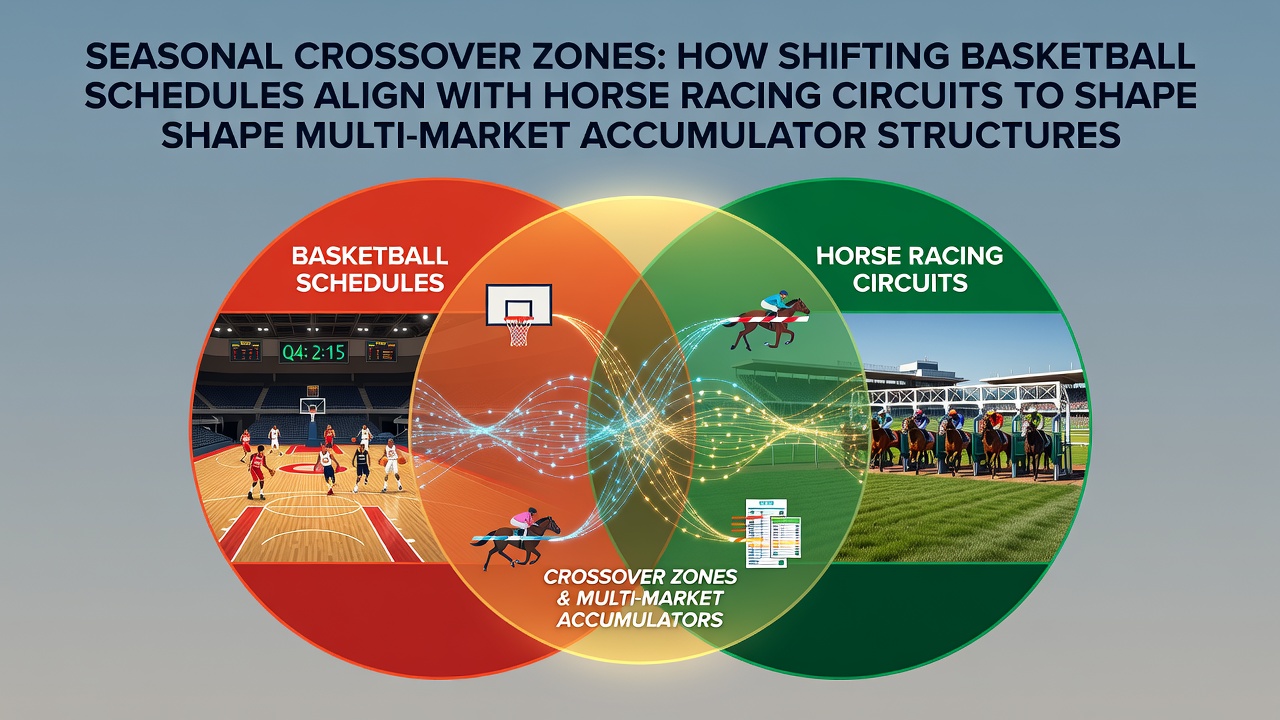
Shifting basketball schedules create distinct crossover periods wth established horse racing circuits, and these alignments influence how multi-market accumulator structures form across different betting platforms. Data from major sports calendars shows that the NBA regular season runs from October through April while horse racing maintains year-round activity with peaks in spring and summer circuits across Europe, North America, and Australia; the resulting overlaps allow bettors to layer selections from both sports into single accumulator wagers during transition months.
Understanding Schedule Transitions in Professional Basketball
Basketball leagues adjust their calendars annually, and the NBA off-season begins in late spring after the playoffs conclude, which opens space for international competitions and summer leagues that extend into July. Observers note that these gaps coincide with major horse racing festivals such as the Royal Ascot meeting in June and the Breeders' Cup circuit preparations that intensify later in the year, producing windows where daily horse racing cards overlap with limited basketball fixtures from leagues like the NBA Summer League or EuroLeague qualifiers. Research conducted by the National Thoroughbred Racing Association indicates that attendance and betting volume on thoroughbred events rises during these periods because participants seek consistent market options when primary basketball leagues pause.
Key Horse Racing Circuits and Their Seasonal Peaks
Horse racing circuits operate on fixed regional calendars that rarely align perfectly with basketball timelines, yet the intersections generate measurable effects on accumulator construction. In the United States, the Triple Crown series concludes by early June while the Breeders' Cup series builds through autumn, whereas Australian racing maintains continuous activity with the Sydney and Melbourne carnivals peaking between March and November; European circuits including those in France and Ireland host high-profile meetings throughout summer. When basketball markets contract, these horse racing schedules supply the volume needed for multi-leg accumulators that combine outcomes from flat racing, jumps, and harness events with emerging basketball lines from exhibition or developmental games.
Market operators respond to these patterns by adjusting accumulator structures to accommodate fewer basketball selections during crossover months, which shifts emphasis toward horse racing odds while maintaining combined payout multipliers. Figures released by the Australian Racing Board reveal that combined wagering on racing and basketball products increases by measurable margins in July because operators promote cross-sport accumulators that pair summer racing meetings with basketball pre-season events.
Accumulator Structures During July 2026 Crossover Periods
July 2026 presents a clear example of seasonal alignment because the NBA off-season extends through most of the month while major horse racing circuits in both hemispheres remain active. The NBA Summer League typically runs in Las Vegas during early July, providing limited player props and team totals that can be incorporated into accumulators alongside daily horse racing cards from Ascot, Saratoga, and Randwick. Bettors construct multi-market accumulators by selecting several horse racing outcomes from morning and afternoon meetings then appending one or two basketball selections from summer league games, which produces structures with higher leg counts and adjusted odds compared with peak basketball season formats.
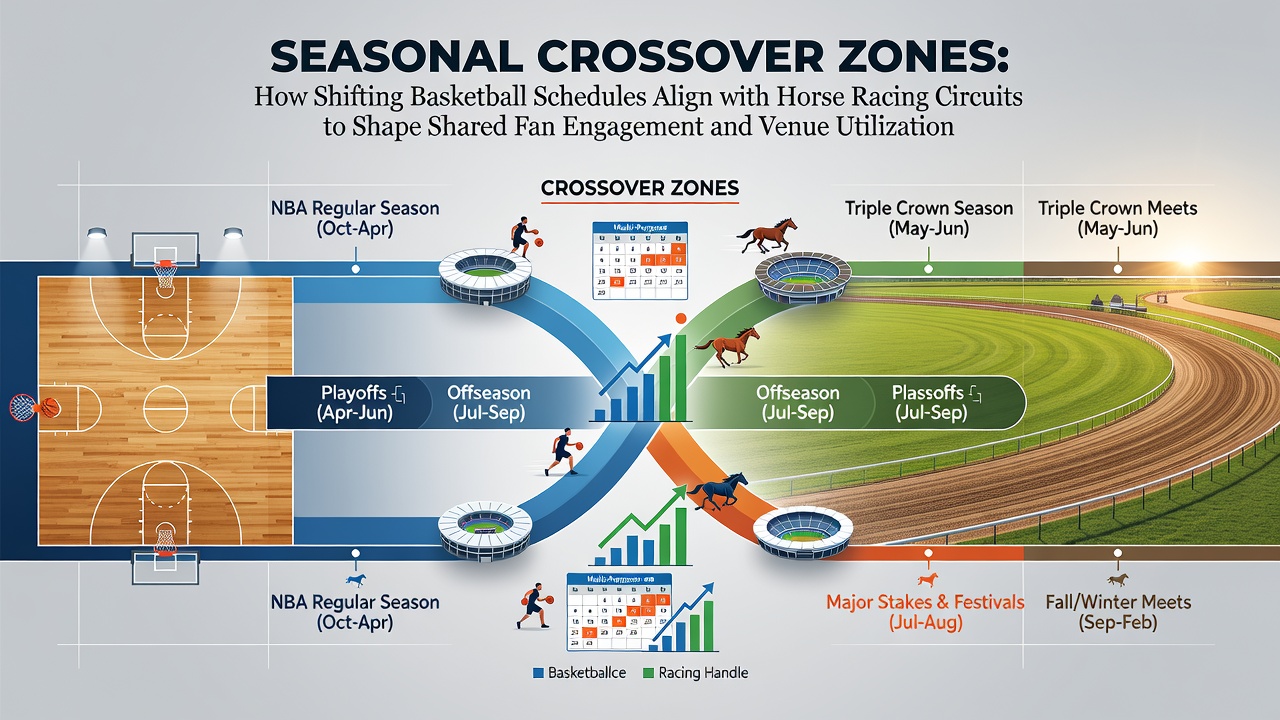
Industry reports compiled by the European Pari Mutuel Association show that operators in regulated markets adjust accumulator rules during these months to reflect reduced basketball inventory, resulting in products that emphasize horse racing legs while offering optional basketball add-ons. Those who track these changes observe that payout structures become more dependent on racing accuracy because fewer basketball markets are available to balance variance across the accumulator.
Regulatory and Market Data Influences
Government agencies in multiple jurisdictions publish annual reports on sports betting volumes that document how schedule alignments affect accumulator participation. The Canadian Pari-Mutuel Agency records seasonal fluctuations in combined wagering on racing and basketball, while the New Zealand Racing Board tracks similar patterns in the southern hemisphere where winter racing overlaps with basketball off-seasons in the north. These datasets indicate that accumulator ticket volumes shift toward higher racing content during crossover zones, which prompts operators to modify minimum leg requirements and maximum payout caps accordingly.
Academic studies from university research centers, including work published by the University of Melbourne's gambling research unit, examine how bettors adapt accumulator strategies when primary sports calendars change. The findings demonstrate that participants increase selections from available circuits rather than reducing overall wager frequency, which sustains market activity across both sports even when one league enters a lull.
Practical Implications for Multi-Market Construction
Accumulator builders respond to these seasonal patterns by monitoring official league calendars released each spring, which allows advance planning for July periods when basketball availability decreases. Operators publish updated accumulator rules that specify how many legs must come from racing versus basketball during defined crossover windows, and these guidelines help maintain compliance with regional regulations while preserving product appeal. Data from the Japan Racing Association further illustrates that international operators coordinate market offerings to ensure continuous accumulator availability when one sport experiences reduced fixtures.
Those who analyze betting patterns note that the resulting structures often feature longer odds because horse racing selections carry different risk profiles compared with basketball point spreads or totals. This adjustment occurs automatically as market makers recalibrate multipliers to reflect the available inventory during each crossover phase.
Conclusion
Seasonal crossover zones emerge whenever basketball schedules contract and horse racing circuits maintain consistent activity, which directly shapes the composition and payout mechanics of multi-market accumulators. Calendar data, regulatory reports, and industry statistics confirm that operators and participants adjust accumulator structures to prioritize available markets while preserving the multi-leg format that defines these products. The patterns observed in July 2026 and similar periods demonstrate how these alignments sustain cross-sport wagering opportunities without requiring changes to underlying rules or regulatory frameworks.