Synchronizing equine data streams with racket sport forecasts to refine club membership incentives across seasonal cycles
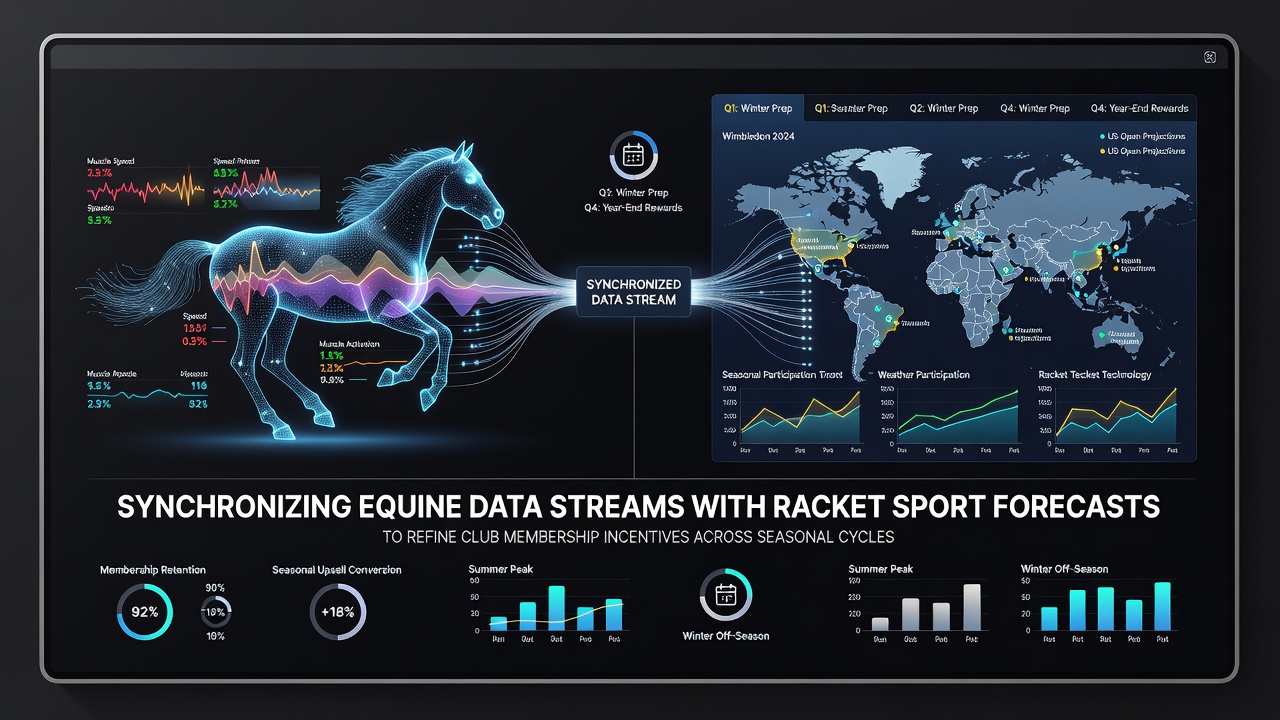
Equine performance records from thoroughbred events merge with predictive algorithms drawn from tennis and squash competitions, allowing organizations to adjust membership structures according to shifting seasonal demands. Data integration platforms pull live metrics on horse speeds, track conditions, and historical outcomes, then cross-reference them against racket sport variables such as player form indices, surface preferences, and match duration forecasts. This combined dataset supports incentive recalibrations that respond to both summer grass-court peaks and winter all-weather racing schedules.
Core Mechanisms of Stream Alignment
Analysts employ application programming interfaces that standardize inputs from multiple sources, converting equine timing data and racket sport probability models into unified formats for processing. Seasonal cycles introduce distinct variables, with spring transitions demanding higher frequency updates because both racing circuits and early-season tennis tournaments generate rapid changes in outcome probabilities. Organizations track correlation coefficients between these streams to identify periods when combined forecasts yield more reliable signals for membership pricing tiers.
Software tools apply machine learning layers that weight equine factors against racket sport indicators based on historical accuracy rates recorded across previous years. In July 2026, system upgrades introduced enhanced latency reduction protocols that shortened the interval between data capture and incentive deployment from hours to minutes, enabling clubs to respond to sudden shifts such as unexpected player withdrawals or track surface alterations.
Seasonal Incentive Adjustments
Membership programs modify reward structures at quarterly intervals, drawing on synchronized outputs to determine discount levels, access privileges, and bundled event packages. During periods when equine data shows elevated volatility in sprint distances, incentives often emphasize extended access to racket facilities where forecasts indicate steadier participation rates. Observers note that this approach maintains consistent engagement across calendar quarters by balancing high-variance racing windows with more predictable court-based activities.
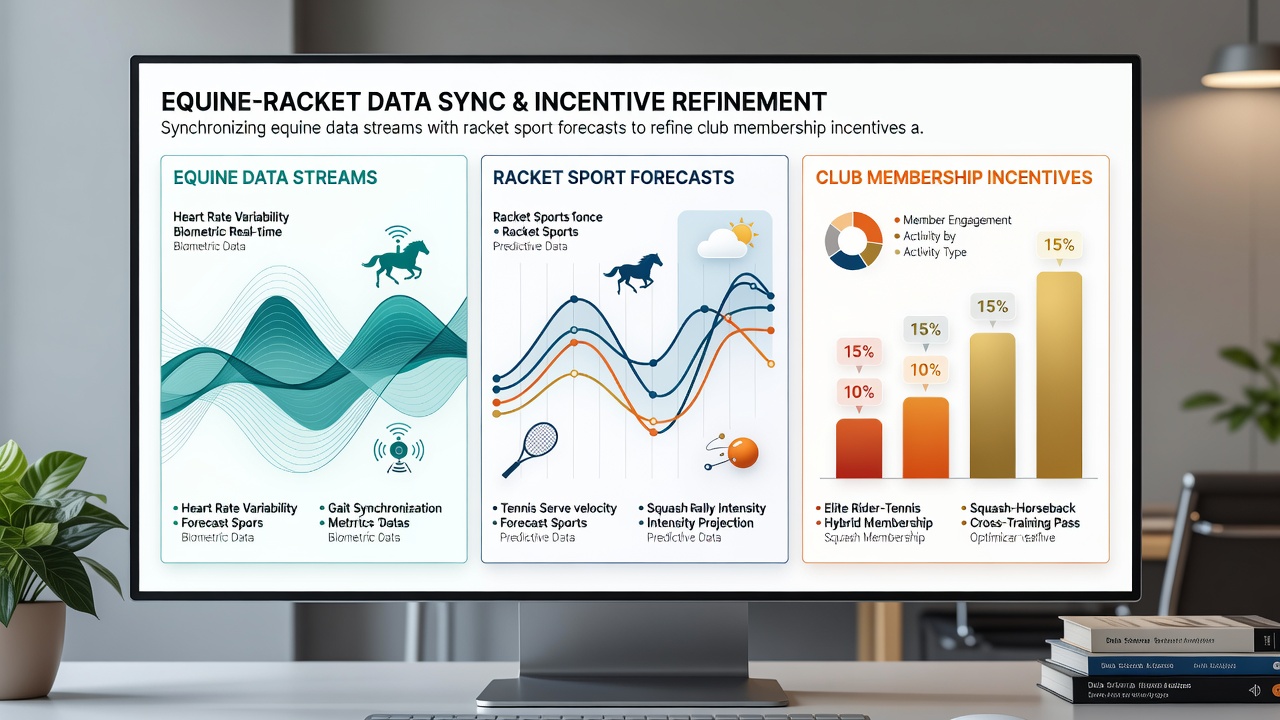
Regional variations influence implementation details, with European clubs incorporating additional regulatory compliance layers from bodies such as the New Zealand Department of Internal Affairs that govern promotional structures. North American operators reference datasets compiled by the Competition Bureau Canada to verify that incentive modifications remain consistent with consumer protection standards across provinces. These external benchmarks integrate directly into the synchronization workflow without altering core algorithmic logic.
Implementation Patterns Across Organizations
Clubs that adopted synchronized systems report measurable shifts in renewal rates when equine-racket alignments guide incentive timing. One case involved a multi-sport facility that aligned thoroughbred endurance metrics with tennis rally-length forecasts, resulting in targeted summer promotions that extended court bookings during predicted high-attendance weeks. Another operator layered squash performance projections onto all-weather racing data to refine winter membership bundles, maintaining enrollment stability despite fluctuations in individual sport participation.
Technical teams conduct periodic validation checks by comparing forecast outputs against actual event results, refining weighting parameters when deviations exceed established thresholds. These checks occur monthly during transition seasons and bi-weekly during stable periods, ensuring the underlying models retain calibration across different geographic markets and regulatory environments.
Conclusion
Synchronized equine and racket sport data streams provide clubs with structured inputs for membership incentive design that align with documented seasonal patterns. Continued refinement of integration protocols, supported by regulatory frameworks from multiple jurisdictions, sustains the operational viability of these approaches through evolving calendar cycles.