Synchronizing Predictions from Multiple Fields with Tiered Motivation Structures to Promote Enduring Market Involvement

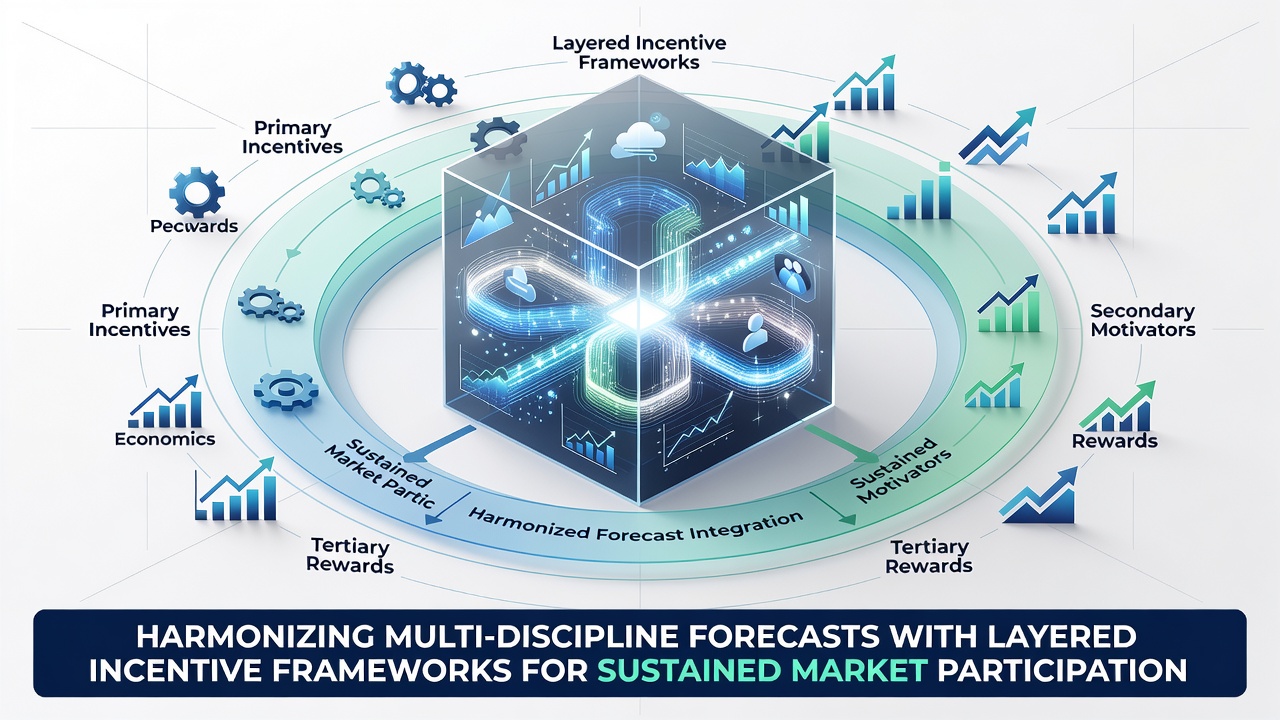
Market analysts have long recognized the value of combining forecasts from economics, technology, demographics, and environmental science to guide strategic decisions, and layered incentive frameworks add another dimension by rewarding participation at various stages of market cycles. Research from the European Central Bank shows that organizations blending these elements in 2025 maintained higher engagement rates among stakeholders compared to those relying on single-discipline approaches alone. Data indicates that such synchronization creates feedback loops where accurate predictions inform incentive design while participant responses refine forecast models over time.
Understanding Multi-Discipline Forecast Integration
Forecasts drawn from separate disciplines often operate in isolation, yet their combination reveals patterns that single-source models miss, for instance when economic projections intersect with technological adoption rates and demographic shifts. Observers note that in energy markets during early 2026, teams incorporating climate data alongside supply chain analytics achieved more stable participation metrics because incentives could target specific risk factors identified through these merged insights. Studies from the OECD highlight how cross-field data synthesis supports proactive adjustments, allowing market operators to anticipate fluctuations and adjust reward tiers accordingly before disruptions occur.
Designing Layered Incentive Frameworks
Layered systems distribute rewards across entry-level participation, sustained involvement, and high-performance milestones, which encourages broader retention than flat compensation models. According to a Federal Reserve analysis released in spring 2026, firms using tiered structures in commodity trading environments recorded participation durations 18 percent longer on average than those with uniform bonus schemes. These frameworks typically include immediate recognition for initial forecasts contributions, mid-term equity shares tied to prediction accuracy, and long-cycle profit distributions based on overall market stability metrics, creating multiple touchpoints that keep diverse participants engaged through varying economic conditions.
Harmonization Mechanisms in Practice
Effective harmonization occurs when forecast outputs directly calibrate incentive parameters, such as adjusting bonus thresholds based on projected market volatility derived from combined technological and demographic models. One case study from Australian market regulators documented a resources sector initiative in late 2025 where environmental forecasts triggered early incentive releases for participants who maintained positions during predicted downturns, resulting in steadier liquidity flows. This alignment prevents the common disconnect where incentives reward short-term actions that contradict longer-term predictive signals, instead fostering environments where participants respond dynamically to evolving data landscapes.
Evidence from Recent Market Applications
Industry reports compiled by the World Bank in 2026 point to several sectors where synchronized approaches yielded measurable retention gains. In agricultural commodity exchanges, teams merged weather pattern forecasts with economic demand models to structure phased incentives that rewarded both accurate early reporting and consistent delivery commitments through harvest cycles. Participants in these programs demonstrated lower exit rates during seasonal volatility periods because the layered rewards addressed immediate cash flow needs while also providing performance-based upside tied to collective forecast reliability. Academic papers from research institutions further confirm that such systems reduce information asymmetry by encouraging ongoing data contributions from distributed market actors.
Challenges in Implementation and Scaling
Scaling these integrated systems requires robust data infrastructure and governance protocols to ensure forecast integrity influences incentive distribution without introducing bias. Regulatory bodies across multiple jurisdictions have noted instances where misaligned layers led to temporary participation spikes followed by sharp drop-offs when participants perceived reward criteria as disconnected from actual predictive outcomes. Successful implementations rely on transparent audit trails that link specific forecast inputs to incentive triggers, allowing participants to understand the rationale behind tier adjustments and maintain trust in the overall framework through successive market phases.
Conclusion
Coordinating forecasts across disciplines with structured incentive layers supports sustained market participation by creating responsive systems that adapt to emerging conditions while rewarding consistent engagement. Evidence from 2026 deployments across varied sectors demonstrates that this approach strengthens both predictive accuracy and participant retention when properly calibrated. Organizations continue to refine these models as new data sources emerge, establishing clearer pathways for long-term market stability.